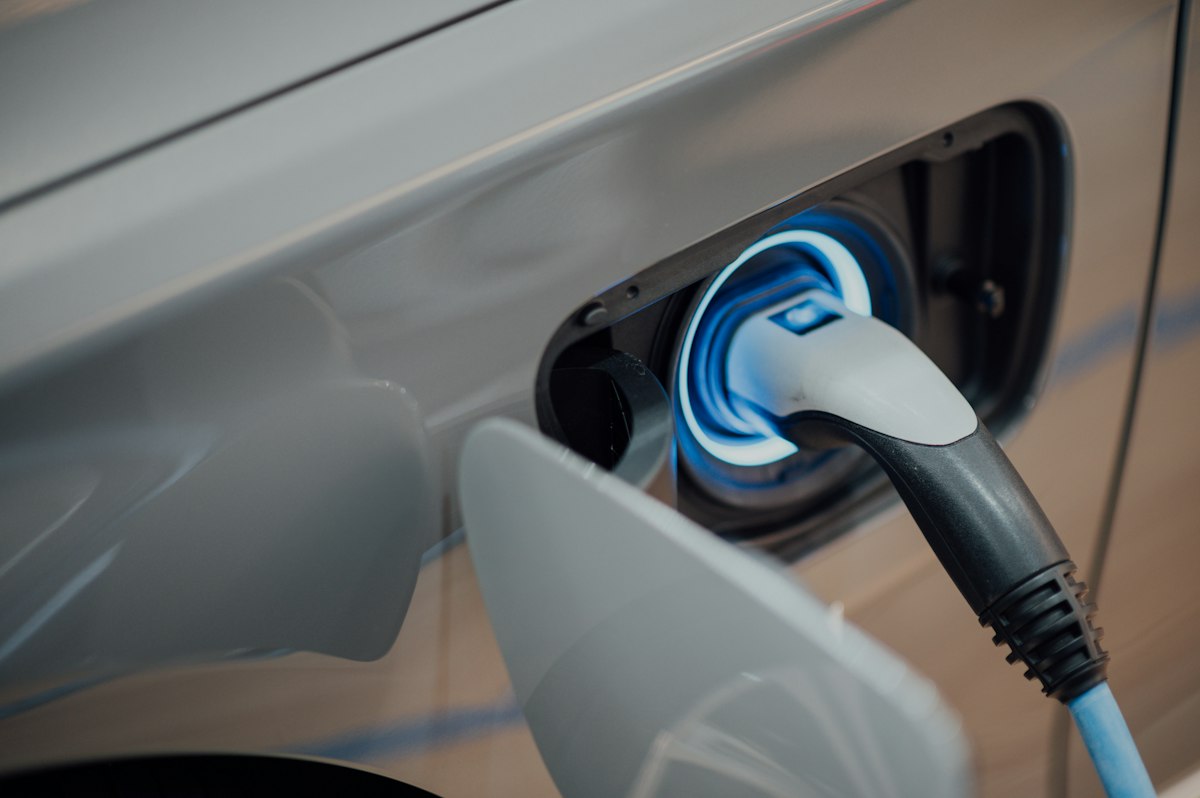
As fuel prices fluctuate and global automotive trends shift towards sustainability, Zimbabwean importers are increasingly looking at Hybrid and Electric Vehicles (EVs). But beyond the obvious fuel savings at the pump, how does ZIMRA treat these "green" vehicles at the border? Are they cheaper to import, and what are the rules?
ZIMRA's Stance on Eco-Friendly Vehicles
The Zimbabwe Revenue Authority (ZIMRA) recognizes the benefits of reducing carbon emissions and lowering the national fuel burden. While standard Customs Duty, Surtax, and VAT still apply to most alternative-energy vehicles, ZIMRA has historically implemented statutory instruments and favorable valuation practices to encourage the importation of hybrids and fully electric cars.
Unlike large-capacity petrol SUVs which attract a punitive 60% Customs Duty, many hybrid crossovers and sedans are assessed based on their primary internal combustion engine capacity, often keeping them in the more favorable 25% or 40% duty brackets.
How Hybrids are Classified for Duty
When calculating duty for a hybrid vehicle, ZIMRA primarily looks at the engine capacity of the petrol/diesel engine, not the combined output of the electric motor.
- Sub-1500cc Hybrids: Vehicles like the Toyota Aqua, Honda Fit Hybrid, or Nissan Note e-Power typically have small petrol engines (e.g., 1.5L). These usually attract the lower 25% Customs Duty rate.
- Larger Hybrids: SUVs like the Toyota Harrier Hybrid or Honda CR-V Hybrid may fall into the higher duty brackets depending on their exact engine displacement and classification.
The True ROI: Import Cost vs. Running Cost
Even if the initial import duty on a hybrid is similar to a standard petrol car, the Return on Investment (ROI) in Zimbabwe is incredibly fast.
With fuel prices in Zimbabwe, a hybrid vehicle that achieves 20km/L in city traffic compared to a standard petrol car achieving 10km/L will save you thousands of dollars in fuel costs within the first two years of ownership. Furthermore, hybrids experience less brake wear due to regenerative braking, lowering maintenance costs.
What to Watch Out For When Importing Hybrids
Importing a hybrid requires a bit more diligence than a standard petrol car. To protect your investment, ensure you check the following before shipping:
- Battery Health: The high-voltage battery is the most expensive component. Always request a battery health report from the auction house or seller. Look for auction grades that specifically mention battery condition.
- Local Support: Ensure the specific hybrid model you are importing has growing local support in Zimbabwe. Models like the Toyota Aqua and Prius have excellent local mechanic familiarity and available replacement parts.
- Accurate Declaration: When filling out your ZIMRA Form 47, ensure the vehicle is correctly declared as a "Hybrid" or "Electric" to ensure it is assessed under the correct HS (Harmonized System) code.
The Larheim Advantage: We specialize in sourcing low-mileage, high-grade hybrid stock from Japan. We verify the battery health reports on every hybrid we recommend, ensuring you get the fuel savings without the risk of a degraded battery.
The Future of EVs in Zimbabwe
Fully Electric Vehicles (EVs) like the Nissan Leaf or Tesla are also entering the Zimbabwean market. While the charging infrastructure is still developing in some areas, EVs currently benefit from some of the most favorable duty concessions available, as the government aggressively pushes to reduce fossil fuel dependency. If you have home charging capabilities, an EV import could be your most financially sound decision yet.